2019
impact report
25 min read
In May 2020 we introduced the new VEIC—a corporate commitment to make an impact, and a response to the pivotal social and environmental changes that are shaping how we deliver on that commitment.
This report is one way we’re putting our commitment into practice. We begin with our performance in 2019, demonstrating how we held ourselves accountable to our goals, measuring our progress, and outlining what’s to come.
Facing the climate crisis and its costs, head on
410 ppm
In 2018 the global average atmospheric concentration of CO2 was 409.8 parts per million (ppm) – nearly 40 ppm higher than 2 decades ago. Climate science states that 350 ppm of carbon in the atmosphere is the "safe" threshold for human life.

In each year of VEIC’s 34-year existence, the climate crisis has intensified. We need to work faster to reduce harmful GHG emissions. Our priorities are addressing the detrimental impacts of climate change at individual, business, community, and societal levels.
VEIC takes a holistic approach to finding energy solutions that can create positive change now and in the future. We connect our work to its impacts on the economy, health, and energy justice, because addressing one affects them all. Investments in clean and efficient energy make positive shifts toward greater economic stability, improved health, and more equitable communities.
Economy

Climate change intensifies the effects of natural disasters and it comes at a big financial cost. In 2019 the United States experienced 14 natural disasters that each cost over $1 billion in losses. Advancing clean energy helps mitigate these disasters while driving economic growth through job creation and sustainable investments.
Health

Air pollution from burning fossil fuels knows no boundaries. Nine out of ten people breathe polluted air, killing 7 million people around the world every year. Clean energy solutions improve air quality both indoors and out.
Justice

Climate change disproportionately impacts low-income communities and communities of color. A cleaner energy system is an effective lever for reducing inequities, worldwide.
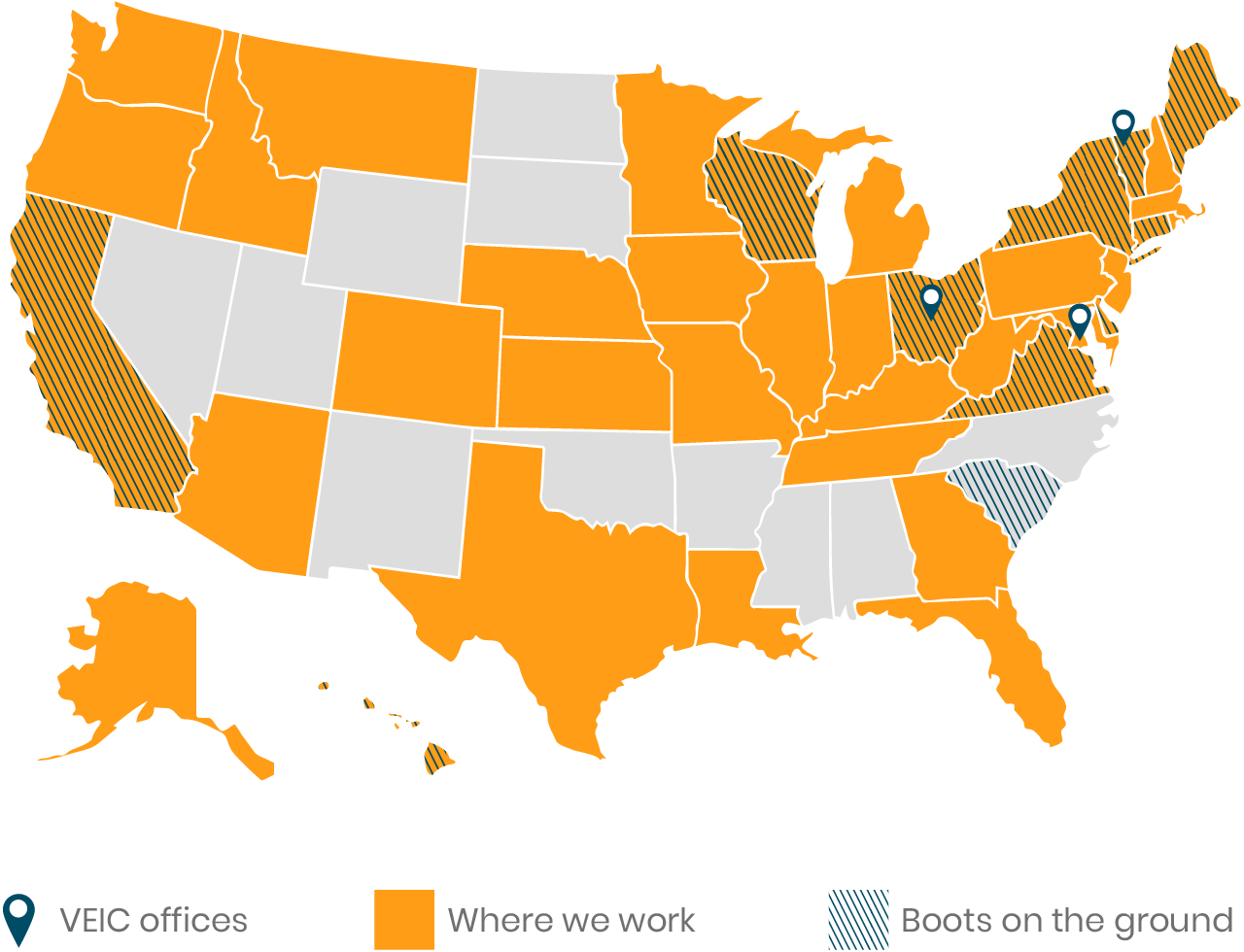
We conduct our work through a full-service consultancy working in energy efficiency, transportation electrification, clean and flexible grid strategies, and building decarbonization; three energy efficiency utilities (EEUs): Efficiency Vermont, the DC Sustainable Energy Utility, and Efficiency Smart; and several subsidiaries. Our operations consist of approximately 300 staff and offices in the Northeast, Mid-Atlantic, Midwest, California, and Hawai'i.


The ongoing and increasing emissions of GHG are the biggest barrier to our achieving our vision:
Healthy Planet, Thriving People.
Our goal is to transform energy systems to reduce harmful emissions.
107M
Our work since 2000 will reduce GHG by 107,201,574 metric tons over the lifetime of efficiency and renewable energy investments
=
Equivalent to the GHG avoided by running 23,114 wind turbines for one year – enough to power 18 percent of the United States
Our strategic imperatives
We live by several imperatives that guide us in how we reduce GHG emissions.
Maximizing our impact
We want to transform and improve how all customers use energy. So we need new market strategies. We design real-world pilots and programs to test technologies and models for clean-energy service delivery, ensuring they succeed, before we bring them to scale.
We don't do it alone. By collaborating with partners, we raise the bar together, reaching more clients and delivering energy solutions that help them meet their goals. For the broadest impact, we open-source the methods and models that have worked for us.

Finding new and appropriate funding in the health sector
Energy efficiency programs can positively impact respiratory health. But the path to creating successful energy-plus-health programs is often unclear. In 2019 we launched the Energy-Plus-Health Playbook, an open-source tool that's helping efficiency program administrators build new programs and refine the model for successful and scalable services. The Playbook reinforces the human value of integrating health and clean-energy solutions. See the case study
Piloting electric bus technology
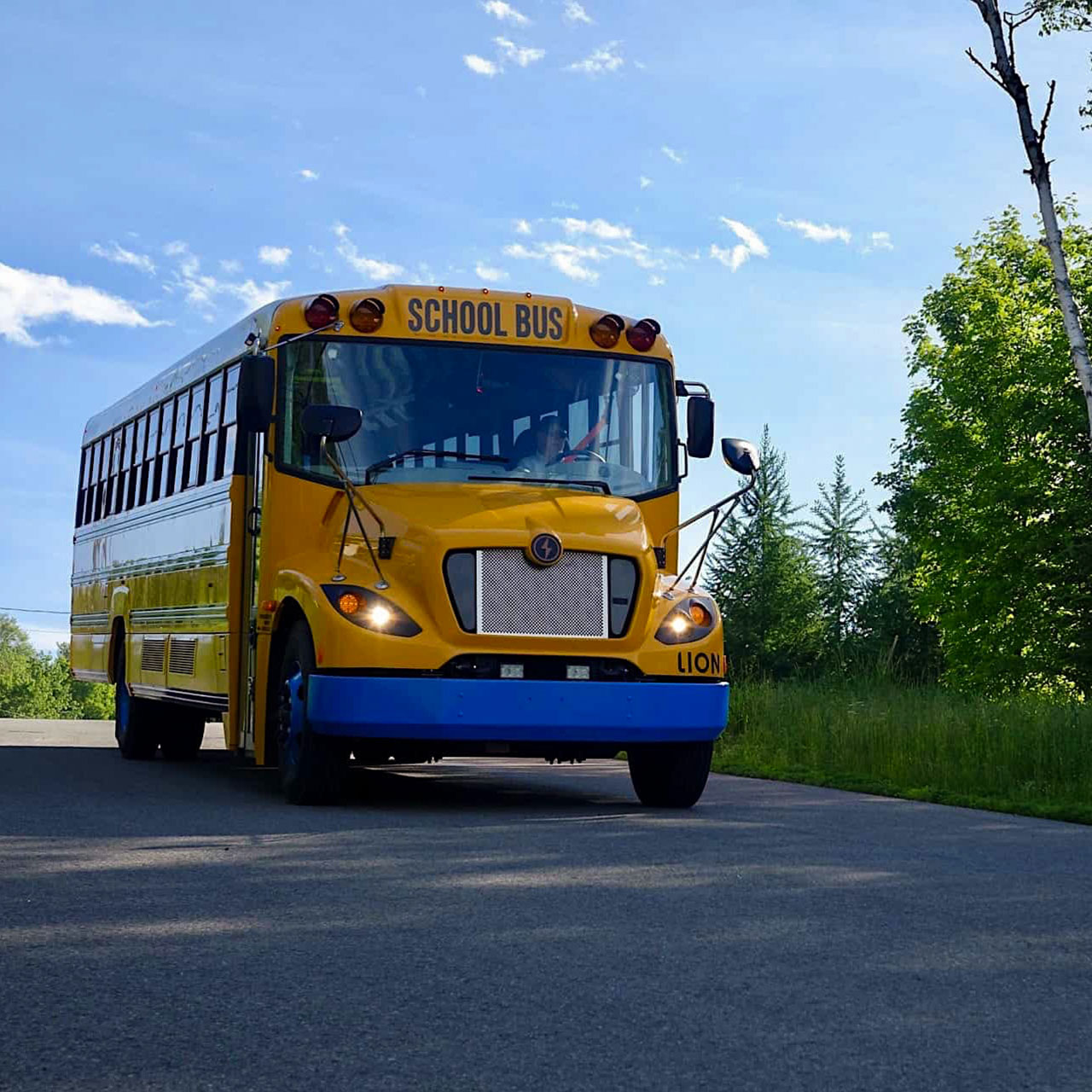
VEIC has designed, implemented, and evaluated many electric school bus and transit bus programs. We specialize in electric vehicle deployment across cold-climate and rural areas. In June 2019 the Vermont Department of Environmental Conservation chose VEIC to administer an electric school bus and transit bus program, involving three school districts and one transit agency. Read the press release

Using partners to reduce industrial emissions
Industrial processes offer a lot of potential for reducing emissions, saving energy, and—when they operate more efficiently—making businesses more competitive. Our Strategic Energy Management services make energy efficiency an integral part of business operations. Our partnership with New York’s energy R&D authority (NYSERDA) resulted in a pilot program that offered hands-on training, peer-to-peer information exchanges, and dedicated coaching. The pilot has helped participants achieve up to 6.8 percent in electric savings. See the case study

Setting the course for the next wave of efficiency opportunities
As energy efficiency practice nationwide continues to mature, traditional sources for savings opportunities shrink, and savings targets become harder to reach. To meet new savings goals while adapting to changing conditions, programs need to infuse innovation into their portfolios. VEIC partnered with APTIM, the administrator of Focus on Energy, Wisconsin’s successful efficiency program, to do just that. In 2019 we advanced new midstream solutions and a behavior pilot, and found new ways to optimize residential and business efficiency programs. Collectively, with APTIM and program implementers, Focus on Energy met its 2019 savings goals. See the case study
Making clean and efficient energy available to all
Low-income communities have the highest energy burdens in every society. Through our work, we reduce upfront costs, make financing available, increase regional availability of contractors, and remove other common barriers to clean energy for traditionally underserved people.
Expanding services for low-income residents
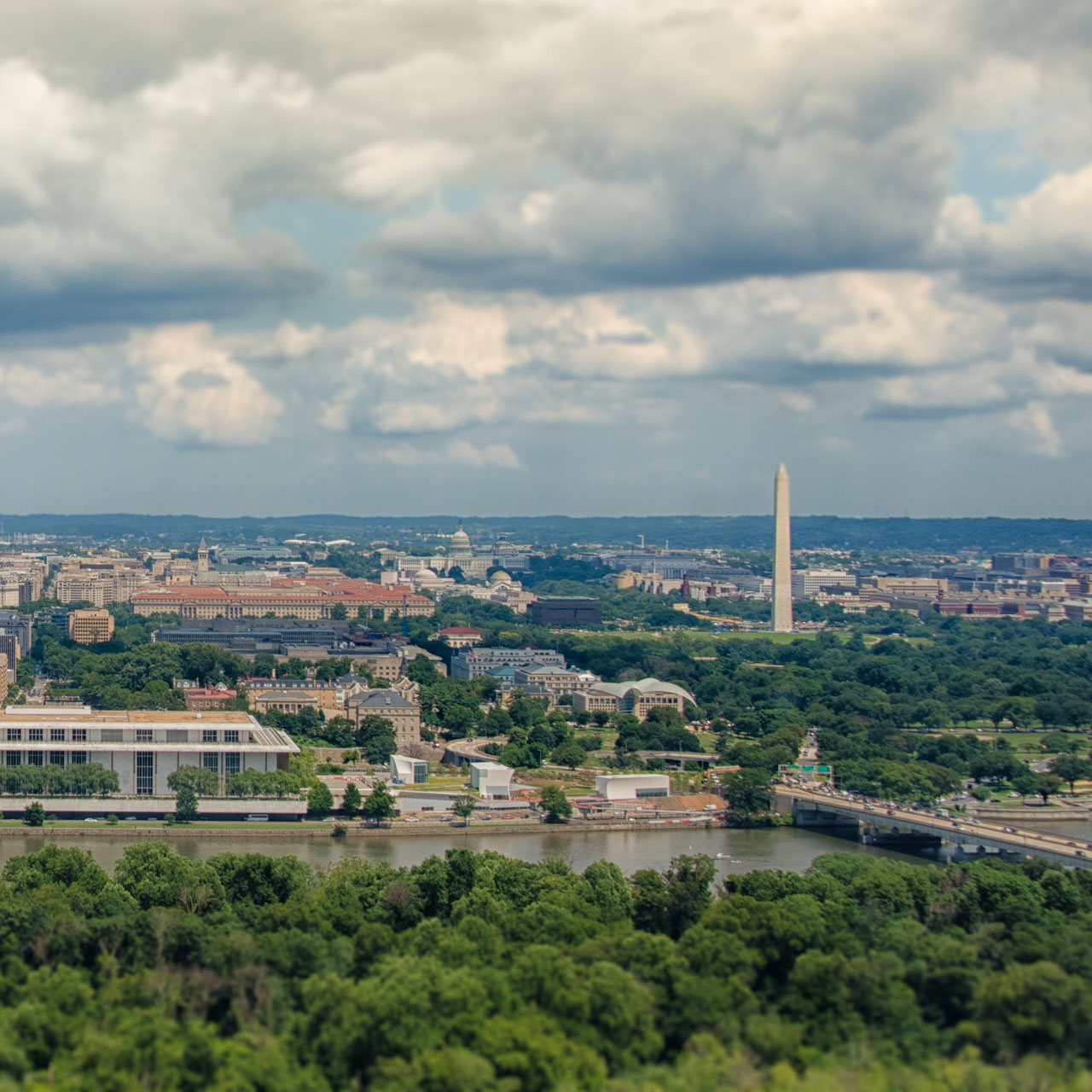
Since 2011, VEIC has operated energy-saving programs in Washington, D.C., customized for residents of low-income housing. In February 2019, Washington Gas awarded VEIC a contract to design and implement an energy efficiency program for low- and limited-income residents of multifamily affordable housing in the District of Columbia. Through the program more than $3.3 million in direct incentives will be disbursed to benefit income-eligible customers by the end of 2020. Read the press release
Building wealth and reducing energy burdens
Low-income households in the North Country of New Hampshire have increasingly had to make hard choices about basic living costs. To address these growing challenges, a New Hampshire foundation chose VEIC to be an Energy Efficiency Value Chain Coordinator with a single purpose: to identify systemic gaps in advancing successful clean-energy solutions. The project targeted solutions for increasing community prosperity through local wealth building and job creation. See the case study

Assessing affordable housing options in Colorado
The demand for affordable housing in Colorado is rising, but the number of available units has not kept pace with the demand. Colorado Housing and Finance Authority, the City of Boulder, Energy Outreach Colorado, and Habitat for Humanity of Colorado commissioned VEIC to assess the feasibility of bringing zero energy modular (ZEM) homes to the state. An emerging housing type, ZEM homes combine the benefits of zero energy homes with the cost efficiencies of modular construction. Our study characterized the potential ZEM market in Colorado and documented what would be required to launch a successful ZEM pilot program in the state. Read the report

Supporting community resilience
Our work spans many regions. We design holistic solutions for entire communities, offering customized programs that meet the specific and varying needs of our customers.
A strong and growing workforce is needed to build the momentum for advancing clean energy. We support green job creation with our forward-thinking workforce development initiatives.
Working with whole communities to deliver positive societal and economic results
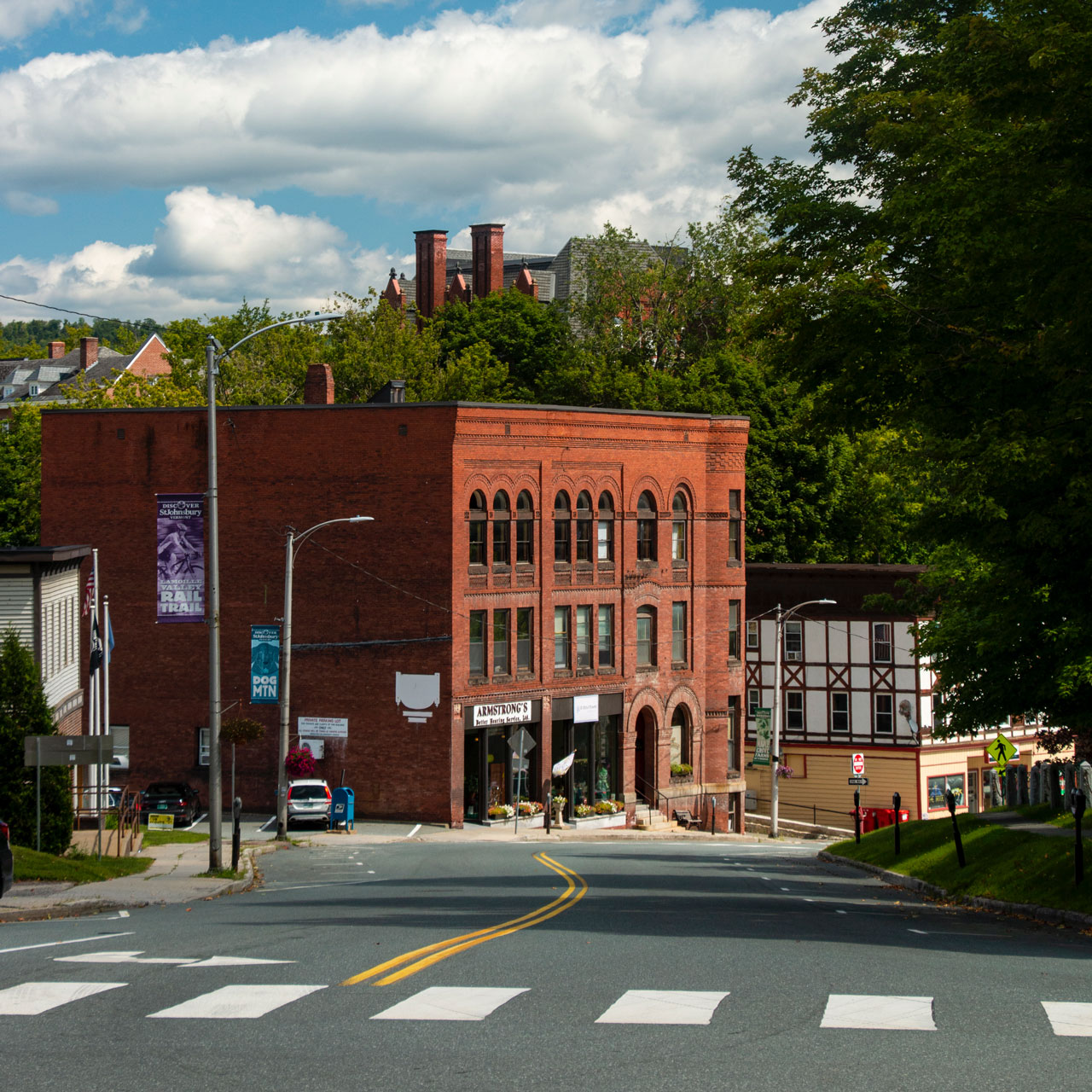
In 2016 Efficiency Vermont collaborated with the Vermont Agency of Commerce and Community Development to bring holistic efficiency solutions to several communities around the state. In 2019, the fourth year of the program, Efficiency Vermont helped local organizers in supporting nearly 60 public events in four communities. Read the blog post

Creating the capacity for green job growth
The District of Columbia Sustainable Energy Utility (DCSEU) has created a one-of-a-kind workforce development initiative that connects District residents with local contractors in the green economy. Through job skills development, on-the-job training and certification, direct work experience, and job placement assistance, the DCSEU helps these externs launch new careers in sustainability. Watch the video
Transitioning to a clean and flexible grid
To build an energy system that’s more resilient to severe climate events, and affordable for all, VEIC must stay ahead of the market. So we introduce our customers and clients to new, clean-energy technologies, and work with the supply chain to ensure those technologies reach local marketplaces.
We help utilities solve their distribution, demand, and integrated resource planning challenges by offering technical support for flexible load management that works.
Developing reliable systems for clean transportation
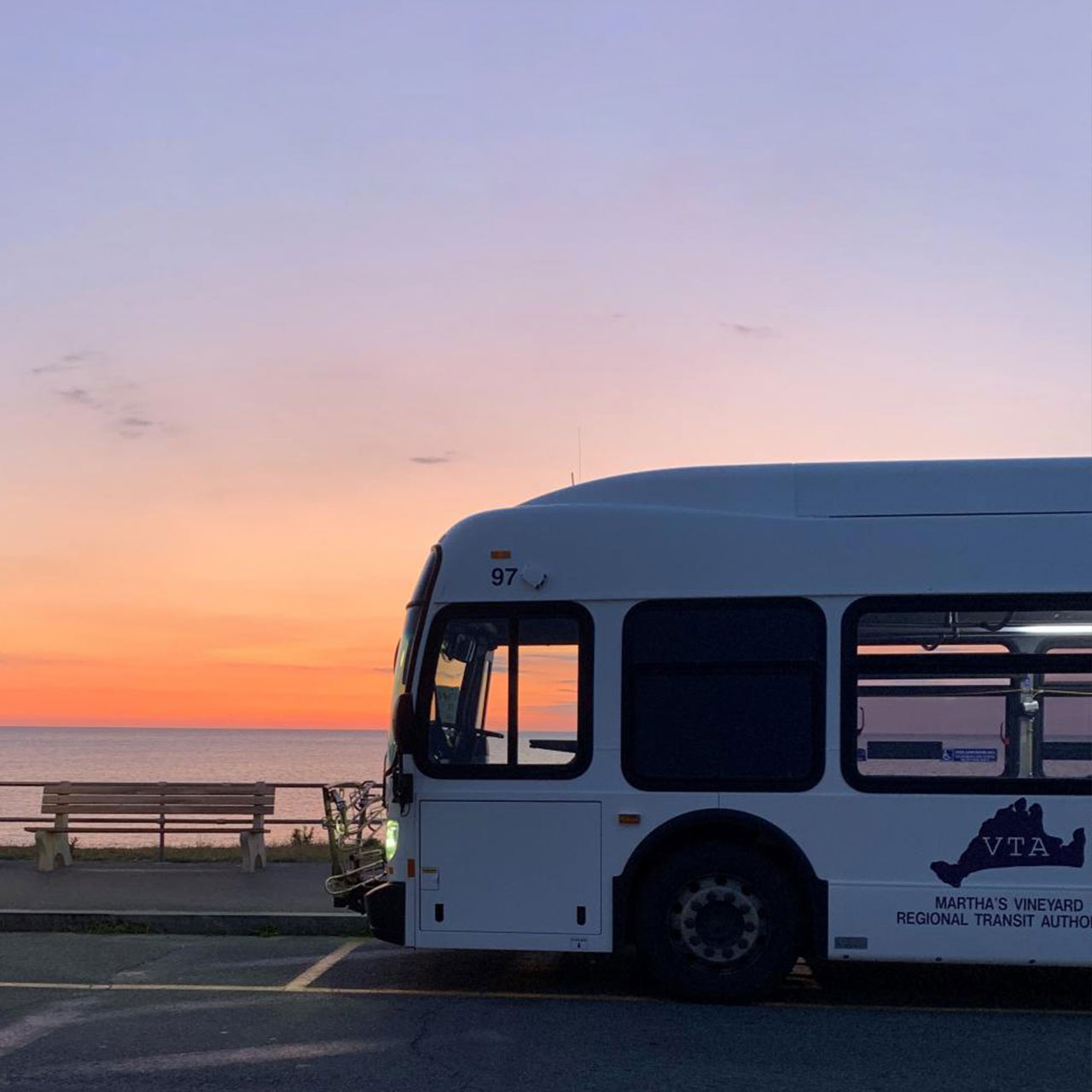
Electrifying a bus fleet comes with its challenges. Martha's Vineyard Transit Authority (VTA) wanted a cleaner and quieter bus fleet without compromising service. Through careful infrastructure planning and a solar-powered single-customer microgrid, VEIC is helping the VTA lay the foundation for the nation’s first integrated, clean, resilient, and flexible public transportation system. See the case study
Unlocking hidden energy storage to relieve peak demand
Planning for peaks in electricity demand is a common challenge for utilities. Through our operation of Efficiency Vermont, we have explored opportunities to reduce customers' energy costs while providing new energy storage capacity to utilities. This strategic management of power consumption has reduced GHG emissions, eased strain on the grid, and created significant cost savings. See the case study
Growth and diversification
Diversifying our Board of Directors
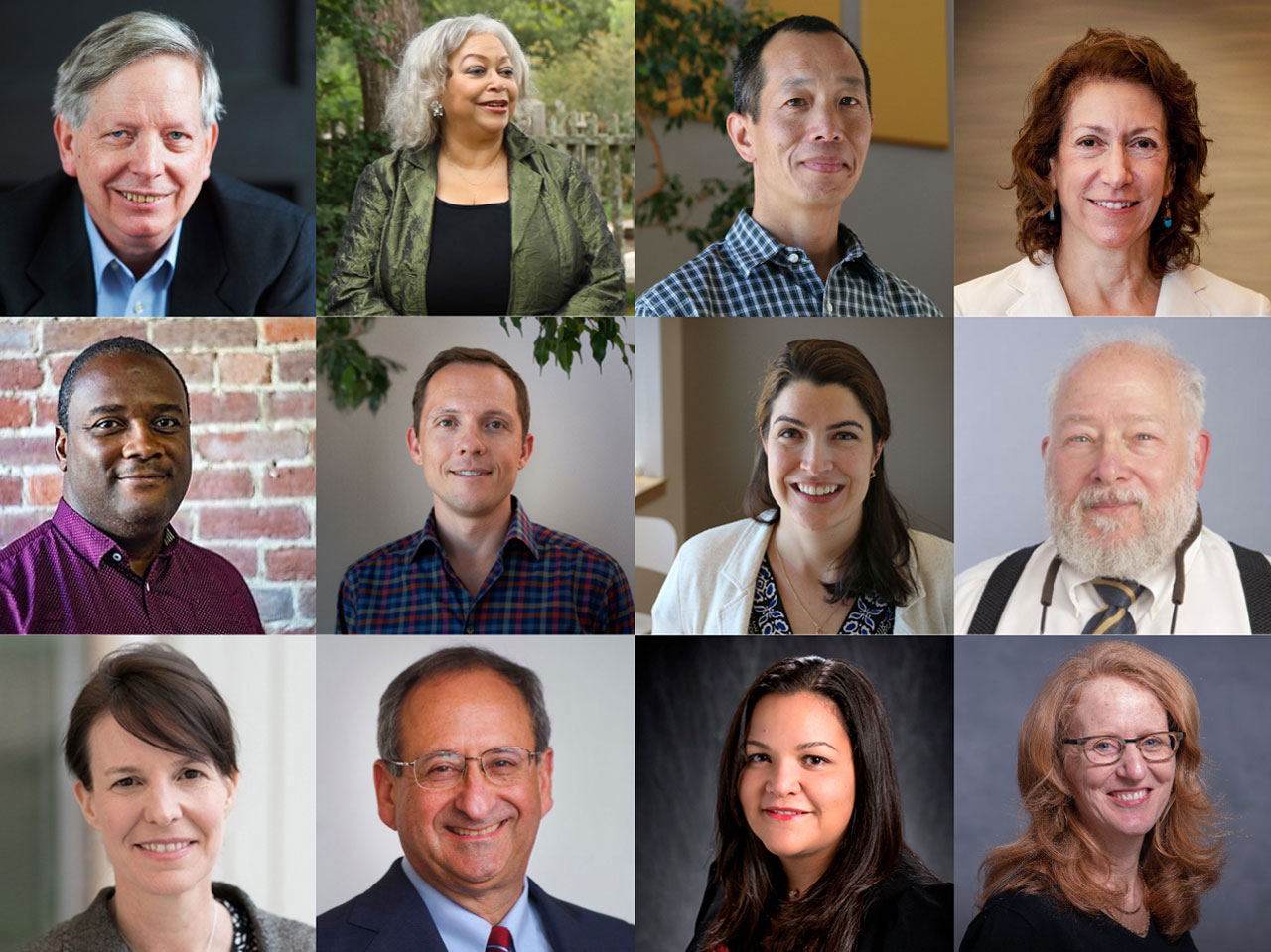
Beginning with a specific corporate intention in 2018, the composition of VEIC’s Board of Directors has transitioned from being entirely white and predominately male to comprising racially diverse and equal male-female representation. We also made an intentional shift to increase the geographic diversity of the Board. In 2019 we continued the evolution by voting in four new members from growth industries, while maintaining a profile of socially conscious local and national voices.
Expanding our reach
We've continually built partnerships and expanded VEIC's geographic presence. In 2019 we built out our business development operations in New York State, and placed two full-time energy consultants in Wisconsin and one energy consultant in Delaware.

In 2019 VEIC began a process to re-envision its work, which resulted in a refinement of its commitment to providing the energy solutions the world needs. Measuring GHG impacts has been one way of establishing the baseline for the paths we can follow to fulfill that commitment. Now that it is 2020, we live in a very different world. Our strategic imperatives have not changed, but our approach continues to evolve to meet changing market conditions. Five operational planks make up our platform for the years to come.
Our work starts and ends with GHG
Our North Star continues to be the reduction of GHG emissions. In the wake of the coronavirus pandemic, we’re taking a close look at our physical operations, reducing our office footprint, and supporting remote work as much as possible for the long term. We’re also improving how we choose to pursue new GHG-reducing opportunities with clients and customers. In 2021, we will revisit our historic corporate goal for GHG reduction. We plan to establish an updated carbon goal and metrics that further drive our work to mitigate climate change.
We must fight harder for energy and social justice
Reducing energy burdens for marginalized communities has always been an essential component of VEIC’s work. As we have awakened to the depth and breadth of systemic societal injustices, we know we need to do more.
We seek partners, contractors, and vendors who share our mission, vision, and core values. We make sure they represent the wide variety of communities we serve—especially within the energy efficiency utilities we operate, where local contractor engagement is core to the success of every project, study, and program.
In 2019 we committed to taking action that ensured we would continue to serve communities and businesses that have been traditionally disadvantaged, particularly in terms of receiving energy efficiency services. We also committed to effectively engaging partners that identify as small business; disadvantaged (socially or economically); women-owned; veteran-owned; BIPOC-owned; LGBTQ-owned; and serving disabled, local, and / or rural customers.
To do our best work, we must maintain our health
The health of our company culture and employee wellbeing are crucial to our organizational success. The importance of this has only been amplified by the pandemic. In the first half of 2020, we’ve taken extra care to prioritize the health and well-being of our staff, customers, and clients. We’ve established new forums and platforms that allow for strong virtual connections and open conversations. We’re committed to making VEIC a model organization that never stops listening and responding to its employees, clients, and communities.
Our impact increases when we expand geographically
Some of the biggest opportunities to reduce GHG emissions and mitigate climate change remain untouched. Our services can transform entire regions and industries. By embedding VEIC services and programs in more states, we can take on those big opportunities. In the first half of 2020, we broadened our work in the Mid-Atlantic, Midwest, and Hawai'i via strong, collaborative partnerships and the development of new business.
From necessity comes innovation
In addition to our ongoing work, we’ve had to adapt our services and adjust our operations to accommodate a remote workforce and address the most pressing needs of our clients and customers in the face of the pandemic. This work has brought unexpected challenges, but we are innovating to continue delivering energy solutions that work, built on the solid foundation of our 2019 successes. Offering new opportunities for virtual engagement, improving indoor air quality in schools, and adjusting incentives to meet the greatest need for our most vulnerable customers are some of the ways we’re showing up differently.
This Impact Report is a first for VEIC. This initiative is connected to a new brand identity that echoes our business strategy: Make an impact. So, in the years to come, we will again be sharing what we measure and noting our progress toward achieving our clean energy goals. We will continue to make services to disadvantaged communities a priority. And we will continue to expand our influence where it counts the most. This is how we will make an impact worth talking about.
Download PDF