Powering food storage and distribution with solar, electrification, and smarter controls
The Challenge
Energy is a major expense for food distribution. Refrigeration runs around the clock while delivery trucks fan out across the region. As electricity and diesel costs rise, organizations face tough decisions about how to protect customers from price increases.
The Solution
VEIC developed a comprehensive energy solution for Second Harvest of Silicon Valley, pairing solar, batteries, delivery fleet electrification, and a smart controls program to reduce costs and cut fossil fuel use. Capabilities: Decarbonization Planning, Fleet Solutions
The Impact
By coordinating solar generation, battery storage, refrigeration loads, and fleet charging in real time, Second Harvest can maximize clean energy use and avoid peak electricity costs. These combined systems are expected to lower the Food Bank's operating costs by up to $1 million annually. Every dollar saved helps feed more people.
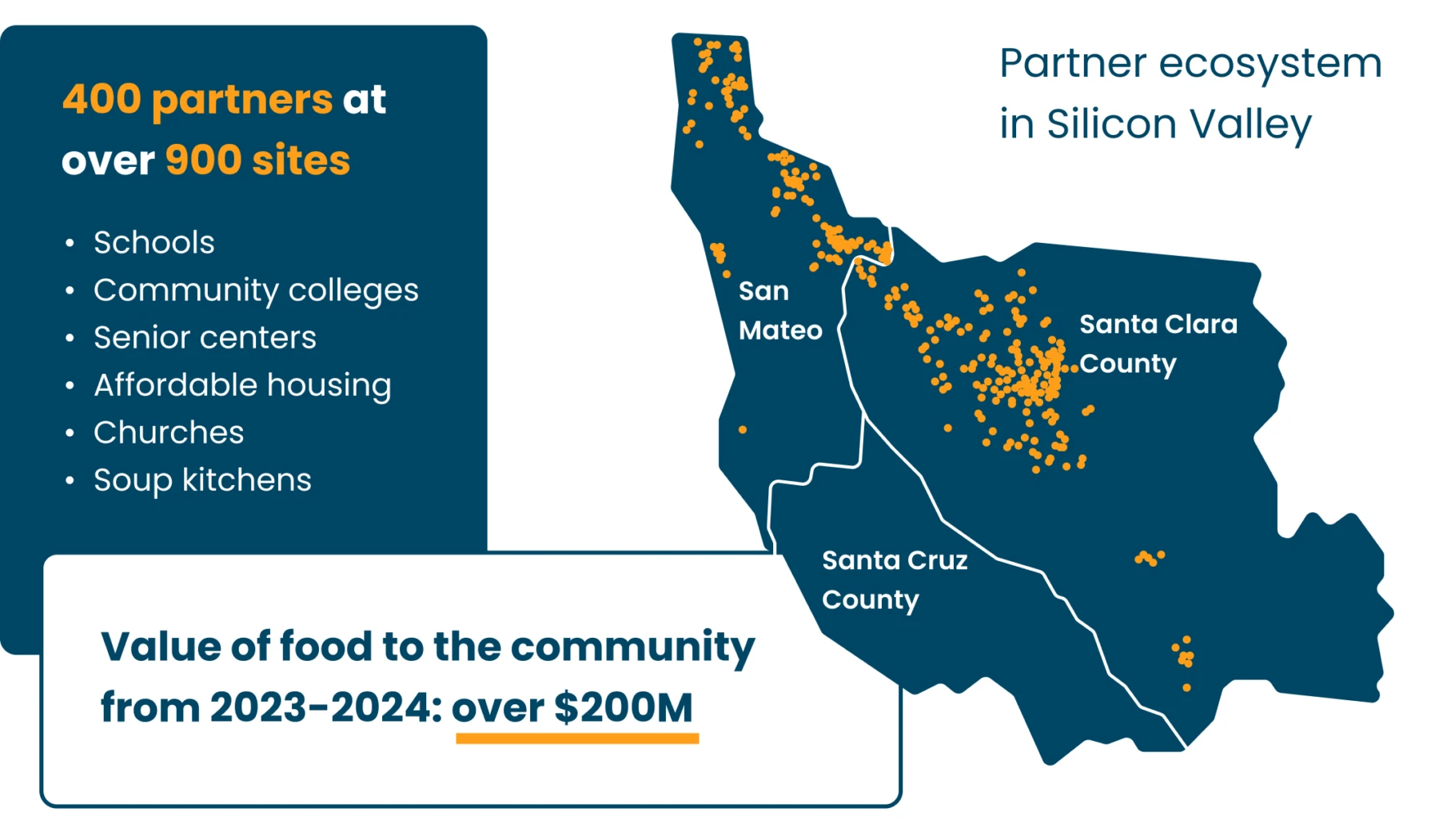
Second Harvest of Silicon Valley serves 1 in 6 people in San Mateo and Santa Clara counties, about half of whom are children and seniors. Coming off the increased demand and supply chain pressures of the COVID-19 pandemic, Second Harvest needed a new warehouse to meet its community’s growing needs. The nonprofit's board charged the team with building a zero-fossil fuel, high-efficiency space. Second Harvest excels at storing and delivering food, but they needed a trusted partner to solve the energy puzzle. They turned to VEIC.
The right size: an energy strategy built for the long haul
The new 210,000-square-foot warehouse and headquarters in San Jose would include 19,000 square feet of frozen food storage. Refrigerating that size space incurs significant electricity costs, with rates expected to continue rising in the coming years. Leadership knew they needed to keep operating costs down while meeting the board’s charge to eliminate fossil fuel use. They also faced a requirement from the City of San Jose to reduce diesel air pollution in the disadvantaged neighborhood where the new warehouse would be built.
VEIC used cutting-edge analysis to size and optimize a precedent-setting, new, fully electrified site. To start, VEIC recommended a 2.8 MW solar-plus-battery storage system to displace over 90% of electricity use. The design maximized solar potential by fully utilizing roof space, adding solar canopies, and incorporating a neighboring parcel. VEIC also modeled charging infrastructure for a future electric delivery vehicle fleet, recommending chargers at 52 parking spots.
Critically, VEIC helped Second Harvest right-size the system, matching infrastructure to anticipated load rather than over-building. That analysis saved hundreds of thousands of dollars in upfront capital and will reduce long-term electric costs.
“Our new central hub is designed to help us serve our community more efficiently and sustainably for years to come. VEIC helped us take some very complex pieces of the project—solar, battery storage, fleet electrification, and smart controls—and bring them together into a system that is right-sized for our needs. They helped us avoid unnecessary upfront costs while creating opportunities to reduce our ongoing energy costs. That efficiency matters because every dollar we save can go back to our mission, helping us provide nutritious food to more people in our community."
From diesel to electric: rethinking the delivery fleet
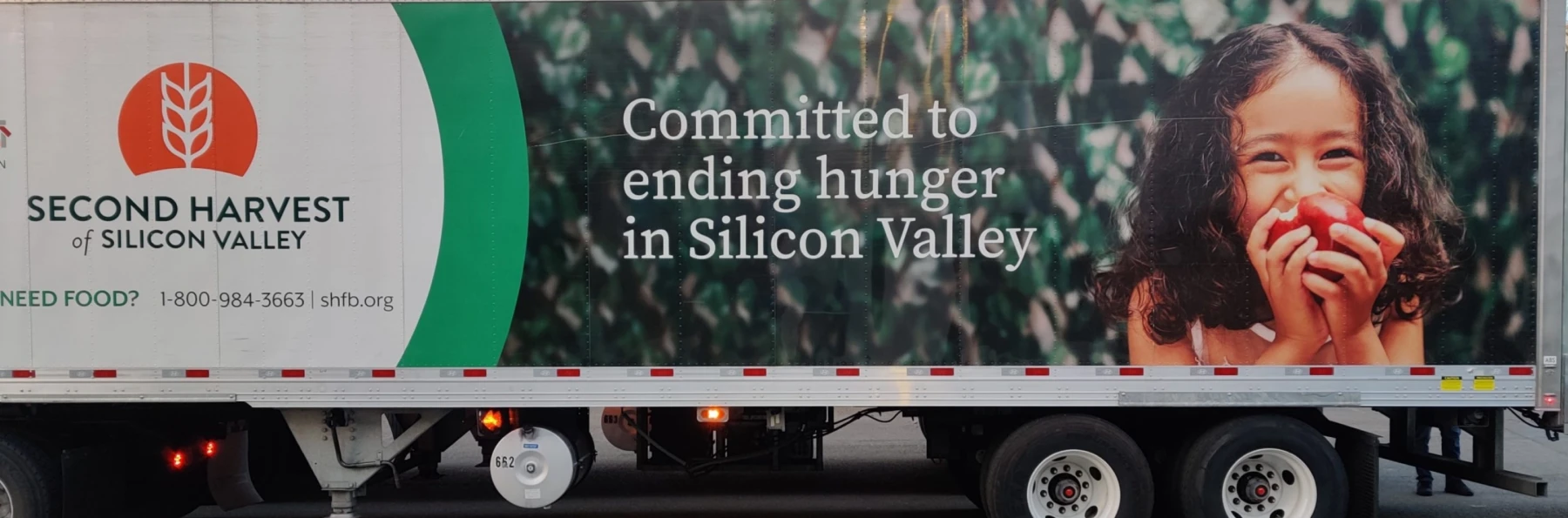
Every week, Second Harvest makes food deliveries to 900 partner organizations, including schools, community colleges, senior centers, affordable housing agencies, churches, and soup kitchens. Sixteen refrigerated trailers run daily routes between 20 and 150 miles. The combination of daily recharging opportunities and short-range routes makes this fleet a strong candidate for electrification.
VEIC’s analysis included electric trucks paired with refrigerated battery-powered trailers. Full electrification will phase in over several years, with the first trailers coming online in January 2027. The trailers will be 100% solar-powered, charging during loading and wait times. On-board batteries power the electric liftgate, refrigeration unit, and electric-drive axle. The electric-drive axle pushes the trailer behind the legacy diesel trucks, cutting diesel consumption by up to 50%. When the trucks are electrified, the electric-drive axle will extend range and minimize overall electricity use to keep food cold.
Smarter energy use, hour by hour
The final piece of the puzzle is a comprehensive controls program to connect the solar and battery system, the refrigeration system, and the new electrified fleet. Without coordination, those systems operate in isolation, missing opportunities for cost savings.
Using extensive submetering, the controls program will construct a comprehensive picture of the building’s electricity use. It uses that data to shift demand in real time, drawing on cheap solar power during the day and avoiding the grid’s most expensive hours (typically between 4:00 and 9:00 pm).
One innovative solution: the controls system can instruct freezers to “super-freeze”, cooling to lower-than-normal temperatures during the cheap off-peak hours, then allowing temperatures to drift back up during the expensive evening window without drawing from the grid. This thermal storage strategy alone could reduce electric demand by up to 3%.
Even before the building opens, data collection will begin. The controls program will gather information to start refining and automating energy supply and demand across the site. Once all systems are connected, Second Harvest could see up to $1 million in annual operating savings. That’s money that goes directly toward getting food to those who need it across the region.