How lifecycle refrigerant management can reduce GHG emissions

The Challenge
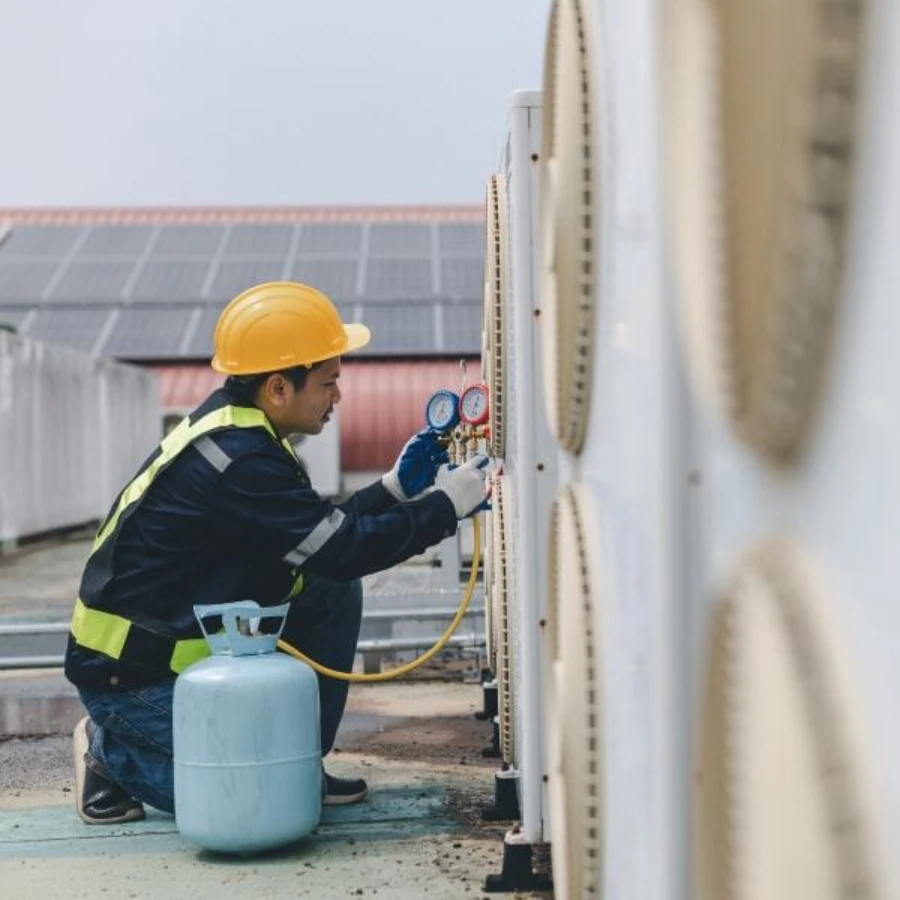
As states aim to electrify homes and businesses to meet climate goals, the transition to heat pumps and heat pump water heaters is a vital solution. While these systems effectively reduce greenhouse gas (GHG) emissions, current residential and small commercial systems continue to use high global warming potential (GWP) refrigerants. If these systems leak during installation, maintenance, or at the end of their life, their unintended emissions may undermine as much as 50%* of the GHG reductions that current heat pumps provide.
The Solution
CalNEXT—a California emerging electric technologies program implemented by Energy Solutions—and VEIC are working to understand how to integrate lifecycle refrigerant management (LRM) into GHG reduction strategies so that residents see even greater energy savings and emissions reductions. Through research, emissions modeling, and market assessments, the teams have developed recommendations and strategies that governments and energy efficiency and decarbonization program administrators can adopt to achieve statewide emissions reductions goals.
The Impact
Armed with dozens of new studies on a previously under-researched field, local governments and efficiency programs can make informed decisions and design holistic GHG-reducing heat pump programs. Residents can access the most effective technologies. Together, we can ensure that the hard-won benefits of energy efficiency and decarbonization programs aren't weakened by the unintended consequences of refrigeration.
The refrigerant dilemma
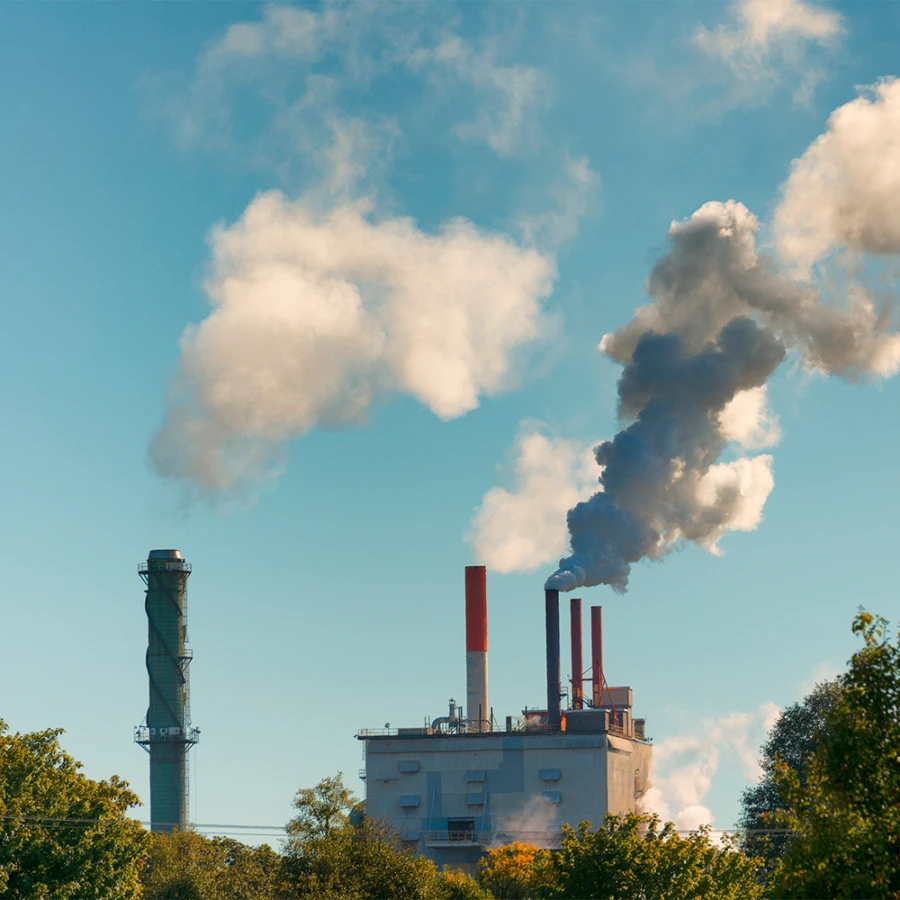
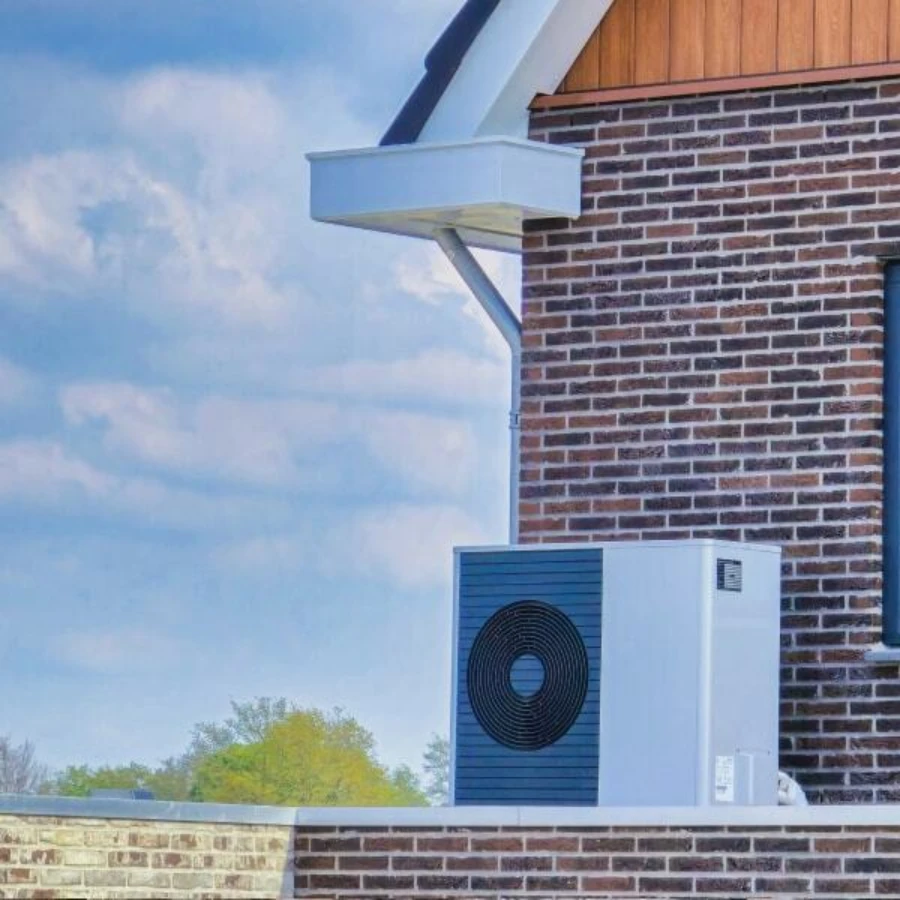
Heat pumps are gaining traction across the country—and for good reason. Their high efficiency helps communities reduce their energy use, typically leading to lower utility bills and fewer greenhouse gas emissions. Although adopting this technology is a critical step toward achieving climate goals, all heat pumps currently available in the U.S. (both HVAC and water heater) use hydrofluorocarbons (HFCs), which have high global warming potential. This means that current heat pumps can contribute to the significant emissions from air conditioning refrigerants—a pollution that exceeds the emissions of the entire aviation sector. The issue of HFC refrigerant emissions cannot be overlooked.
For many state governments and energy efficiency programs, this refrigerant is a powerful countercurrent that makes it harder to reach GHG emissions reduction targets. It's especially true in California, which has an ambitious goal of installing 6 million heat pumps by 2030. Even if the grid were carbon-free and all homes adopted heat pumps, California could potentially emit 60 million metric tons of CO2 equivalent in the next 10 to 20 years solely from refrigerant leaks in existing HVAC equipment. The state needs a way to meet its GHG reduction goals without the harmful environmental effects of HFC refrigerants. CalNEXT's research is unlocking solutions to make it happen.
CalNEXT aims to identify, test, and grow electric technologies that save energy for residents while helping California reach its decarbonization goals. VEIC has supported Energy Solutions in administering CalNEXT since 2022, building a robust portfolio of emerging technology projects, conducting research, and sharing findings so that the best technology becomes more widely available. The team has also designed several studies to understand how refrigerants impact the state’s decarbonization efforts.
What we've learned
As a CalNEXT partner, VEIC’s work has spanned everything from market readiness assessments and refrigerant impact modeling to technology performance validation. Because California has widely adopted variable refrigerant flow (VRF) technology, which operates using relatively large amounts of HFCs, the team focused one market assessment study on the impact VRF HVAC leaks currently have on the state’s GHG emissions reduction goals.
After estimating the existing stock of refrigerants in California buildings’ HVAC systems, calculating the potential impact of these systems on the state’s GHG reduction goals, and reviewing the state’s heat pump policy measures and incentives, the team found that utilities should consider alternatives to incentives for VRF technology until 2027, when the most common HVAC refrigerant (R-410A) is replaced.
Another project focused on why more climate-friendly alternatives to VRF refrigerants are not readily available. Propane (R-290) air-to-water heat pumps don’t use fluorinated refrigerants, making them a great option for achieving both efficiency and GHG reduction goals. They are readily available in Europe and Asia, but U.S. building codes do not provide clarity on whether contractors can install this technology, preventing its widespread adoption.
VEIC and CalNEXT decided to conduct a market study on these propane air-to-water heat pumps (AWHPs) to learn more. Through our research, we found that the adoption of R-290 air-to-water heat pumps could be a means of achieving California’s HFC reduction target by 2030. For every 100,000 single-family homes where existing central air conditioning is replaced by R-290 AWHPs, a savings of 3 million metric tons (nearly half of the state’s 7.5 million metric ton goal) would be realized. Knowing the importance of getting this technology into homes and businesses, the teams also created a roadmap to make this technology more accessible in the United States. Our plan includes engaging with municipal governments to remove building code barriers as well as conducting more research to demonstrate the whole-system benefits of R-290 AWHP technology in homes.
Why research and partnerships matter
These two studies provide a small window into the vital work VEIC is doing with CalNEXT to ensure emerging or underutilized technologies can play a role in supporting GHG reductions. Together, we have completed 71 projects and counting.
For years, lifecycle refrigerant management has taken the back seat in climate conversations. However, LRM strategies can amplify the GHG reductions from decarbonization initiatives such as heat pump programs in California and beyond. By bringing together scientists, state and local governments, utilities, community leaders, and businesses, we can gain a holistic picture of how refrigerants impact our environment both in policy and in practice—the kind of picture we need to solve the climate crisis.
*Effects of Refrigerant Leakage on GHG Emissions Reductions from Electrification of Single-Family Homes, Eric Veium, Master of Public Policy Thesis, June 2023